TUDOR’s history isn’t written by the brand. Instead, it’s been written by you over the last 100 years. TUDOR has been there through it all, not as a main character, but as a witness. A witness to your tribulations and triumph, risk-taking, and willingness to break convention. You’re the main character. You are the fabric that makes up a century of TUDOR. A watch can’t write history, but daring individuals can. For a century, TUDOR watches have been strapped to thousands of wrists. Through this, they’ve lived a million years. Some are born to follow, you are born to dare.
This is what sets us apart.
This is what makes TUDOR stand alone, or in our words Born to Dare.
This is why you wear a TUDOR watch.
The Roaring 20s
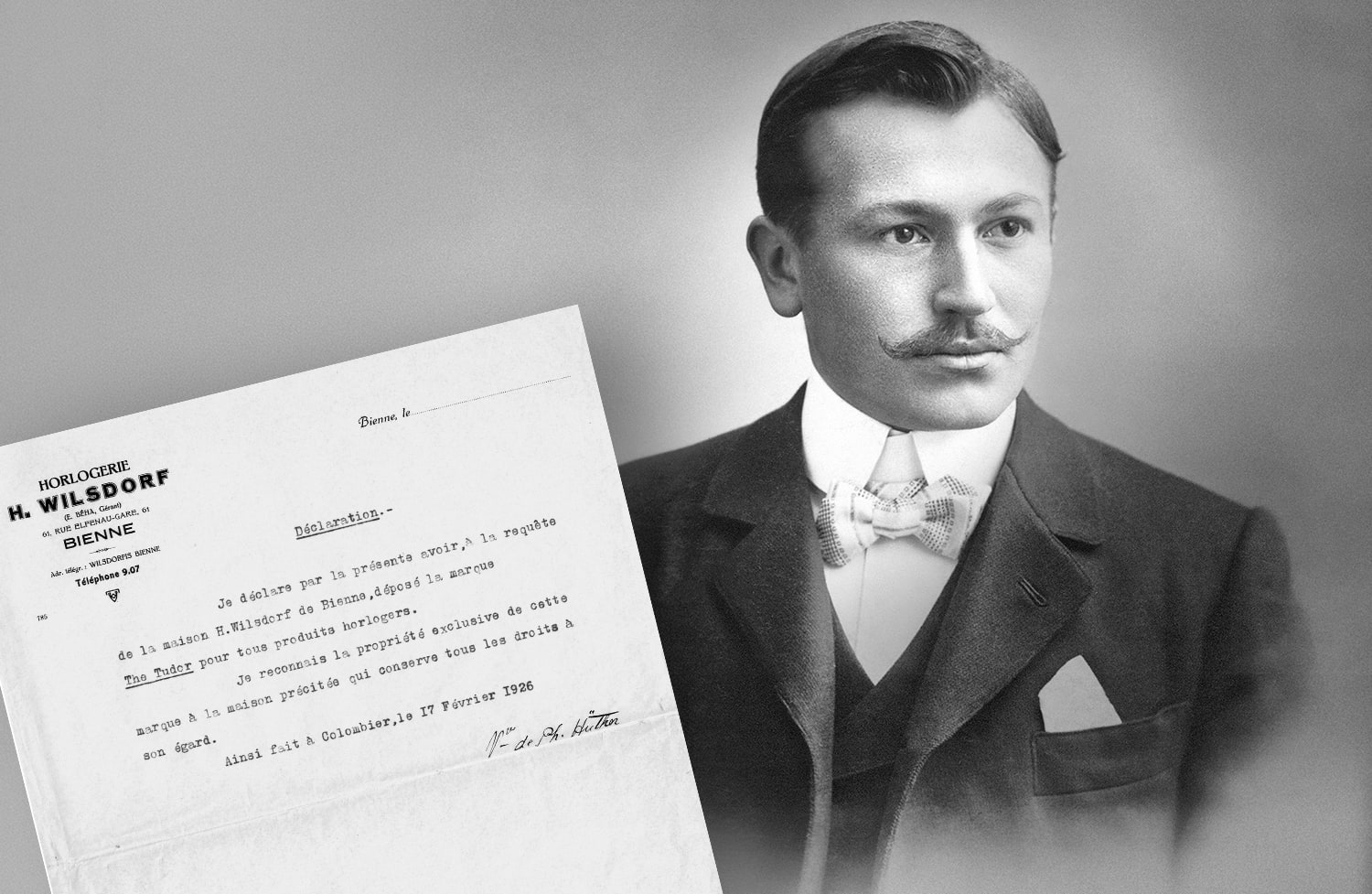
Hans Wilsdorf, founder of Rolex, had a vision—a vision for a watch brand that, in his words, would offer reliable time at moderate prices. This is how TUDOR was born. He registered the name “The Tudor” in 1926, and on the 17th of February it was entered into public records. The very first TUDOR watches were produced that same year, with a long “T” extending over the rest of the typography.
TUDOR came during a time of unprecedented economic growth and pure optimism. This period was known as the roaring ‘20s. Western industrial capacity was fully realized, the automobile facilitated movement like never before, and the radio kept us informed. Movies now featured sound. Steamboat Willie, the cartoon that would eventually become Mickey Mouse, could be seen on screens across the world. It was an era of rampant optimism, and with it, change. TUDOR was born during this boom in innovation. Societal progress necessitated the need to be on time.
The Great Depression
For every boom, there's a bust. The global economic situation changed from flourishing to floundering in the '30s. Just weeks after the stock market plummeted, the fledgling TUDOR brand registered the name "Ranger". The Great Depression did not deter Wilsdorf from carrying out his vision for the brand. TUDOR was distributed throughout the Commonwealth and Europe. Growth was achieved by offering a watch that was affordable even during trying times. TUDOR reworked its logo to include a Tudor Rose, a symbol from the House of Tudor, a British Dynasty that shaped the history of England.
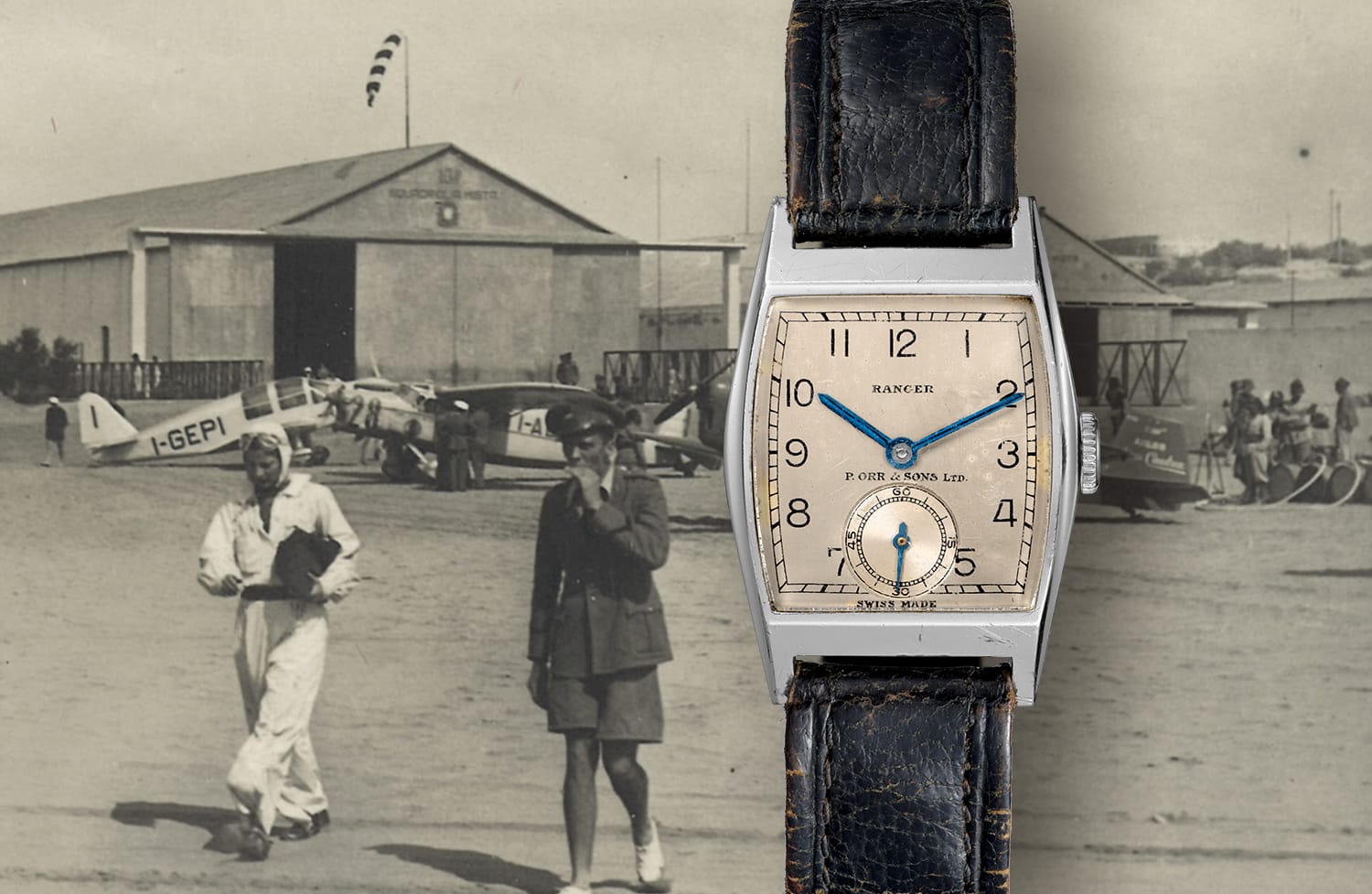
Surrounding the Tudor Rose was a shield, and this symbolism reflected Wilsdorf's formula for the wristwatch: a rose, representing micromechanical ingenuity in engineering, surrounded by a shield, a protector and barrier against adversity. The rose is the movement, and the shield is a strong metal case. Despite the challenges, it was during this decade that aviation history was realized by TUDOR-loving Marchesa Negrone, a pioneer of the flight.
Times of War and Reconstruction
The Second World War dominated the ‘40s. Many companies disappeared, but TUDOR, being based in neutral Switzerland, continued operations even through global conflict. After the war ended and efforts were made to reconstruct what had been lost, the demand for a reliable wristwatch at an affordable price soared.
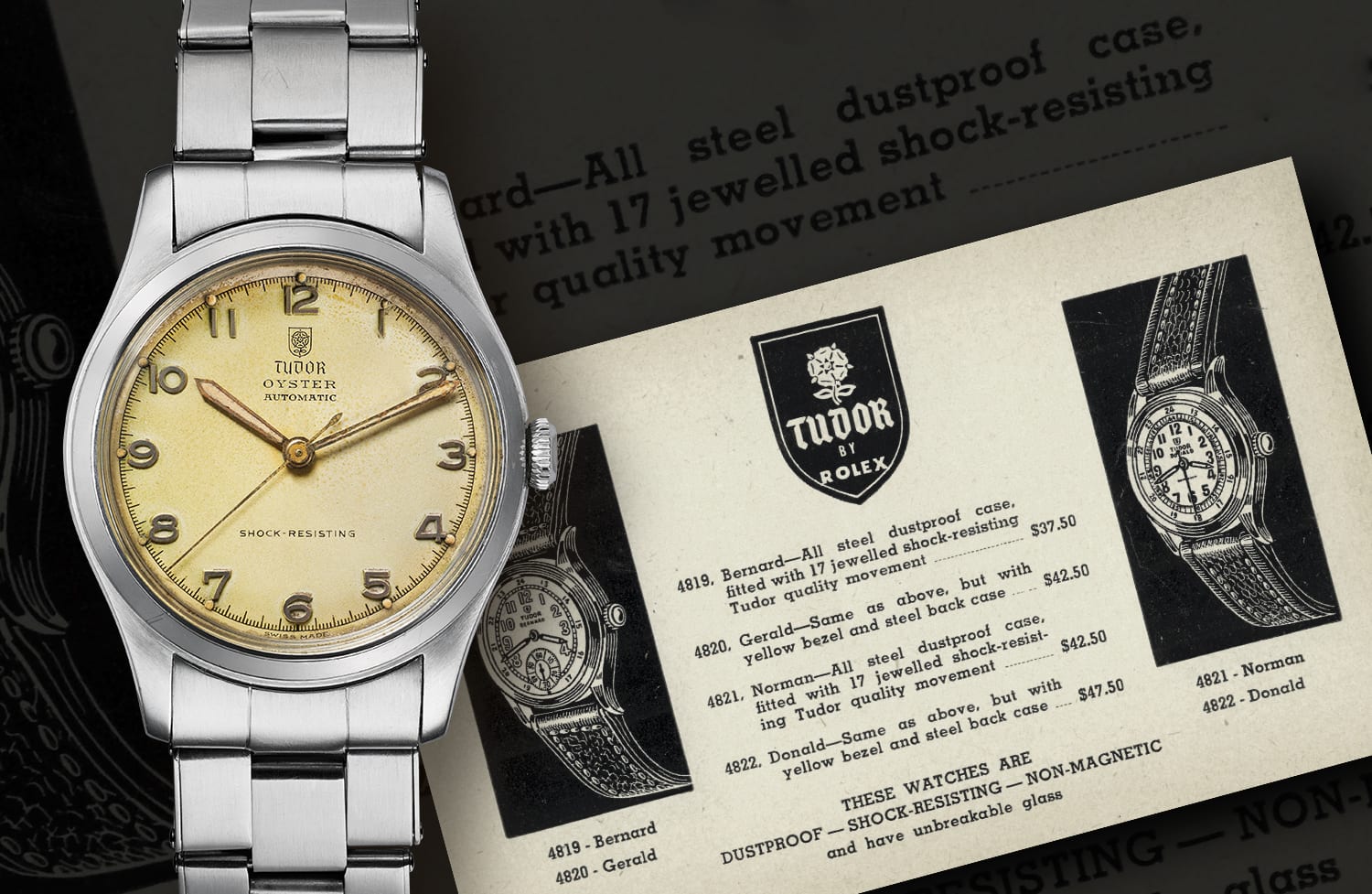
By using the famed waterproof Oyster case and the very best manufacturing technology, TUDOR watches became a sensible choice for those demanding a watch that could stand up to tough conditions. In 1946, TUDOR was established as an independent corporation apart from its sister brand. It was also during this time that TUDOR expanded its global network, now offering watches in the United States.
The Decade of Pioneers
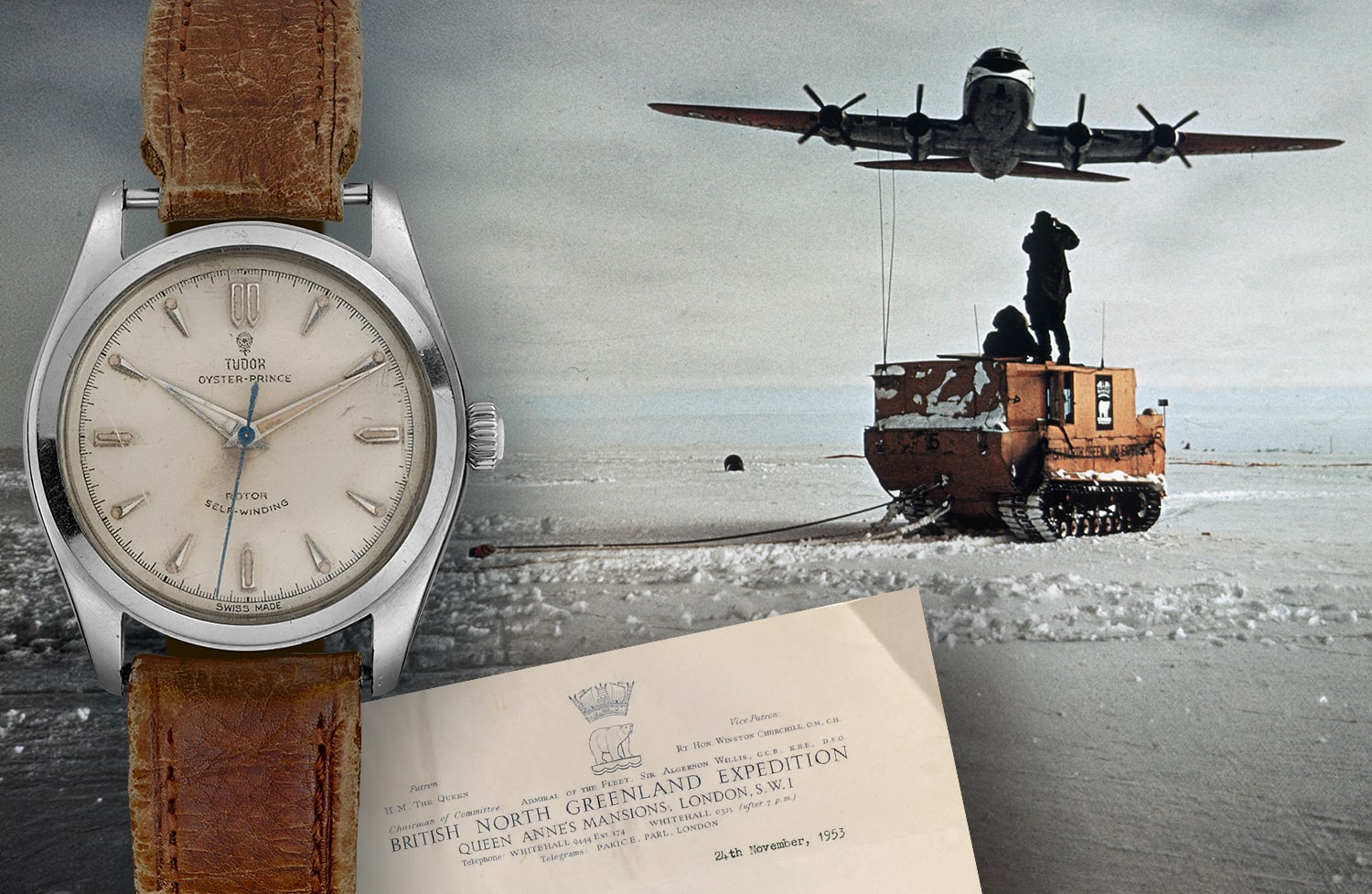
TUDOR hit its stride in terms of manufacturing technology and entered the ‘50s with the Oyster Prince, a robust automatic wristwatch that was able to handle environments previously deemed unsuitable for watches of the time. The watch was tested for two years on the polar ice cap as part of the grueling 1952-54 British North Greenland Expedition. The decade was marked by many firsts.
It was a decade of exploration, innovation, and conquest. Jacques Cousteau, among other notable pioneers, had opened up the underwater world to the masses with SCUBA diving, meanwhile various naval forces globally were at the forefront of this new technology. TUDOR released its first diving watch in 1954, and in short order it was adopted by the French Navy and one example was famously gifted by Jacques Cousteau to his second in command, who went on to dive with it for six decades.
New Frontiers
Hans Wilsdorf passed away at age 79 in 1960, but his mission lived on. TUDOR had grown significantly and had entered China in ’67. By then it had mastered the formula of affordability and quality, offering an array of diving watches that were being used by those on the forefront of professional underwater exploration and experimentation.
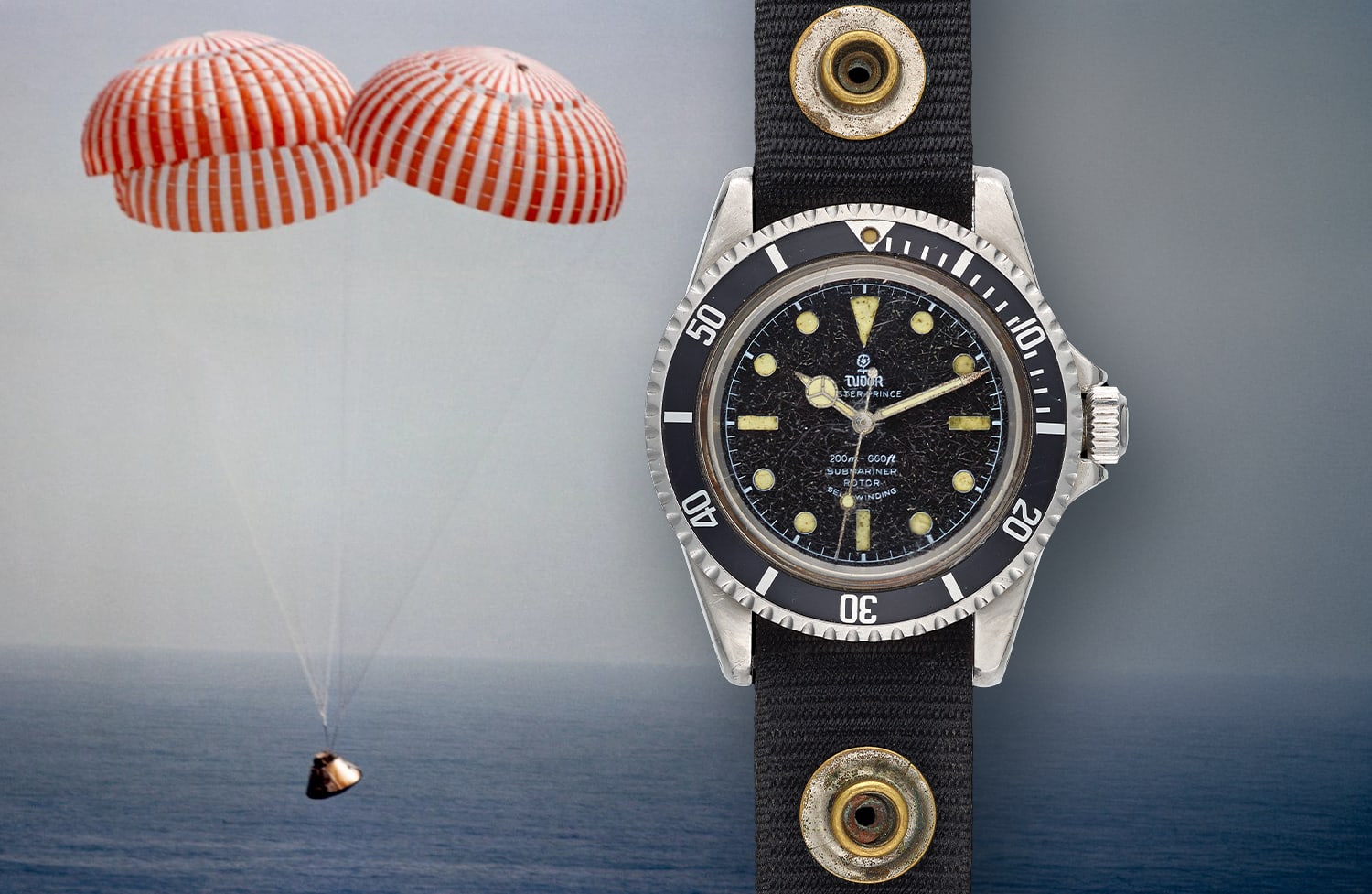
The US Navy SEAL Teams were among the first naval forces to use TUDOR Submariners. Through larger contracts with the US Navy, TUDOR also took part in underwater habitat experimentation, notably the SEALAB program, pushing the very limits of humankind. TUDOR watches were also involved indirectly in space exploration and the Moon landing when US Navy frogmen and US Air Force Pararescue jumpers, two dive-qualified units known for extensively using TUDOR watches, used their watches during the space capsule recovery program.
Welcome to the Era of Tech
Quartz watches flooded the market in the ‘70s, putting most Swiss watch companies in a precarious position. This happened alongside the founding of many of the “big tech” companies of today. It was believed to be the end of mechanical timekeeping, but TUDOR doubled down and released its first chronograph model, powered by manually-wound movements instead of batteries.
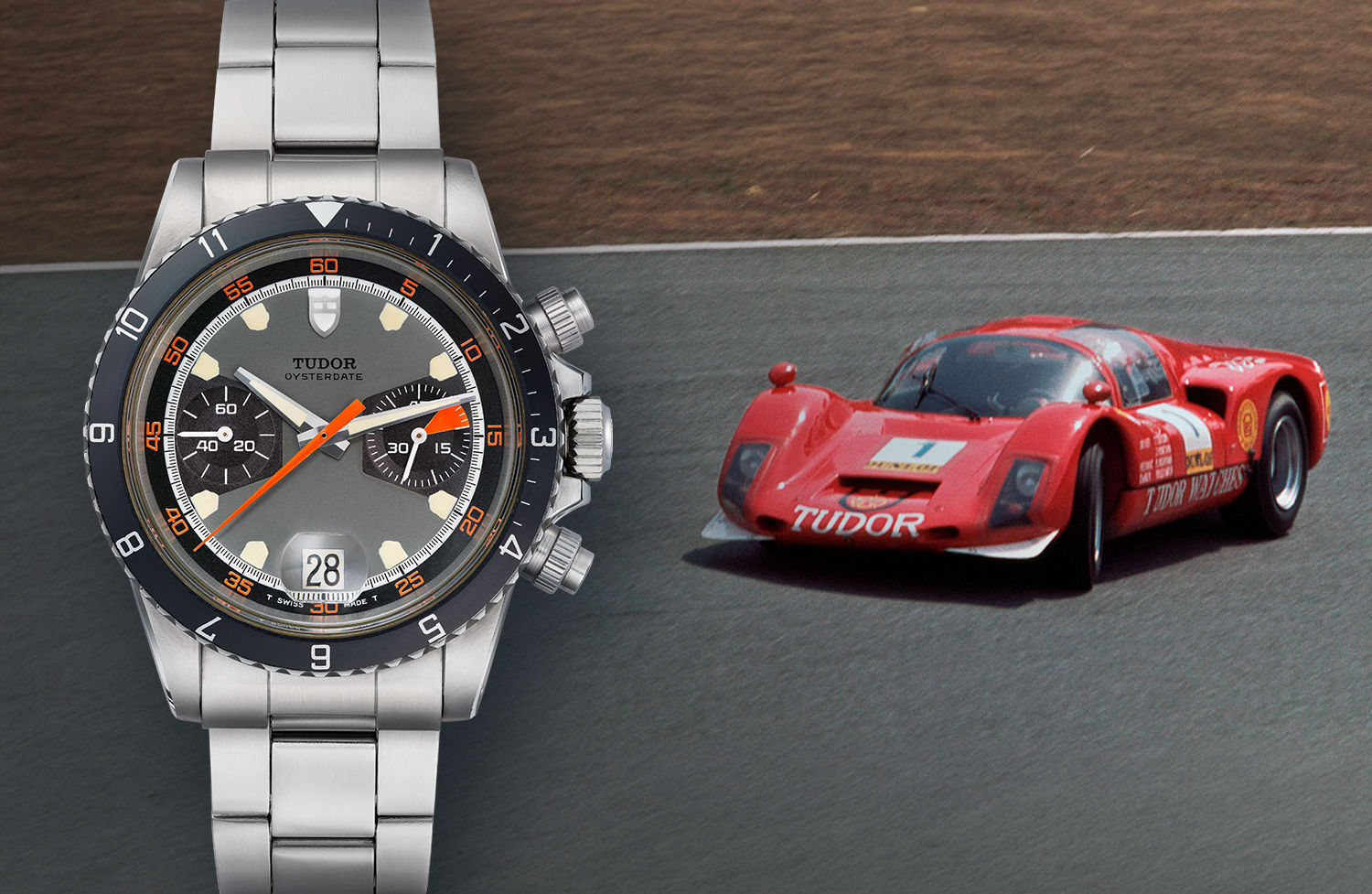
It was a risk at the time, but it paid off when the chronograph caught on in the world of motorsports. Meanwhile the TUDOR Watches Racing Team took to the tracks of Asia with the cutting-edge Porsche 906 among other open-wheel formula race cars, winning races and challenging much bigger players in the scene. Their success continued well into the ‘70s in open-wheel classes and other types of endurance racing.
The Rise of Personal Computing
As a response to the taste of the time, an era when the wild idea of having a computer at home became a real possibility, TUDOR released the Prince Quartz model but the majority of the catalog remained mechanical. Quartz watches never became part of the core identity of TUDOR despite a brief period of experimentation.
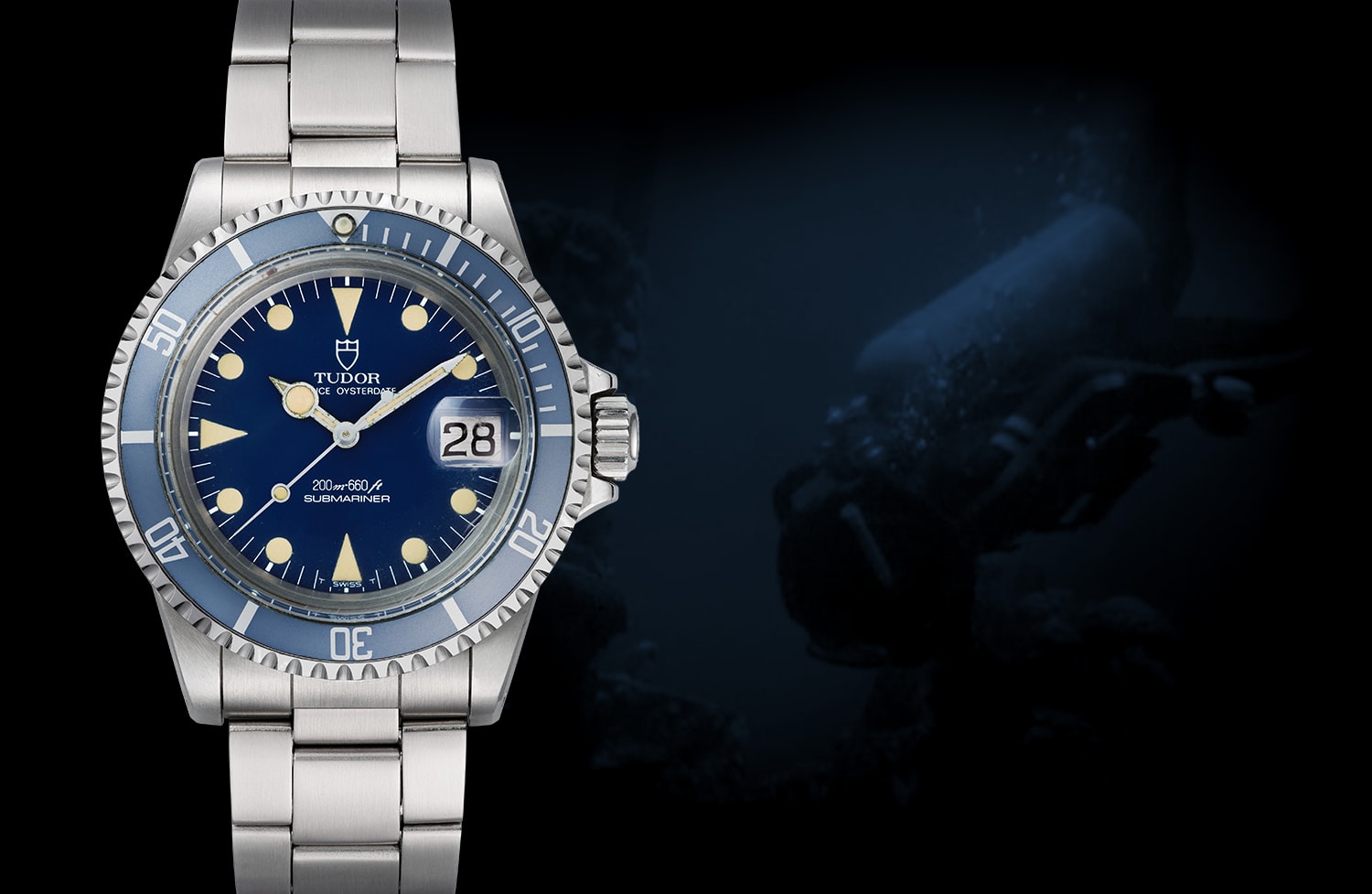
The Cold War was thawing, but demand to supply the Navies of the world was still high, so TUDOR continued answering the call. TUDOR watches found their way onto the wrist of astronauts, prominent athletes, and artists. It was also the first time TUDOR appeared at the Dakar Rally, this time on the wrist of a European Princess attending the race. She wore TUDOR’s first dive watch intended for females.
The World Wide Web
After the fall of the USSR, new markets emerged after Europe’s map was redrawn. Perhaps the most important new frontier, however, was the emerging world wide web. In the watch space, it allowed enthusiast groups to discuss the newest watches and in some cases their passion for the brand.
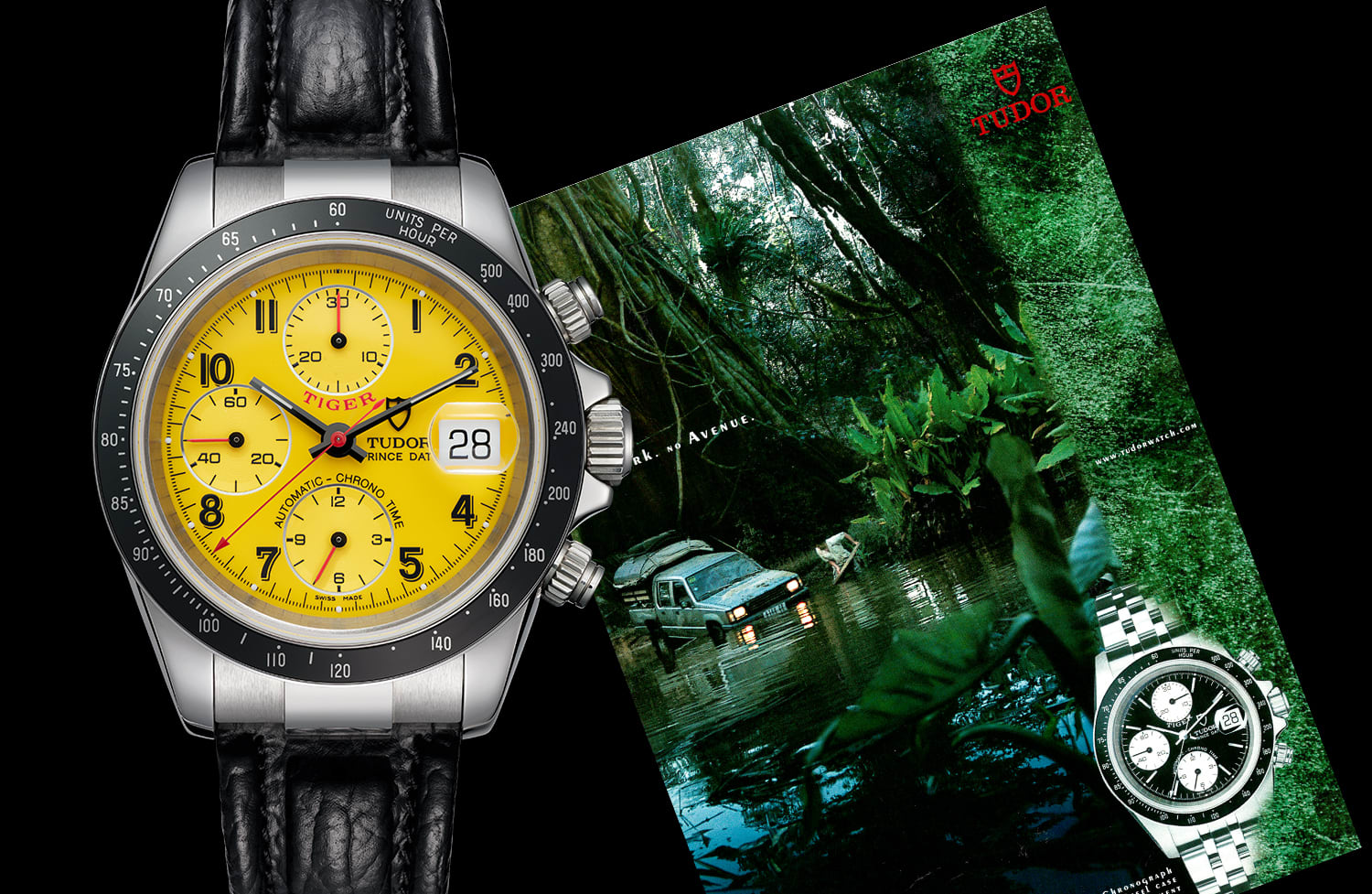
At TUDOR, product development continued and the core focus of the brand, dive watches and chronographs, expanded. A daring young golfer joined TUDOR as its very first brand ambassador. A chronograph reference bearing his name was even added to the catalog alongside a variety of colorful chronographs and diving watches that are still staples in the world of TUDOR collecting today.
The Millenium Bug
The Millenium Bug didn’t have the negative impact on the world that it was thought to, and it certainly didn’t affect mechanical watches. However, shortly after the Millenium Bug passed, a global economic crisis returned. TUDOR was well-positioned because it never drifted from the fundamental mission of offering the best possible watch at the best possible price.
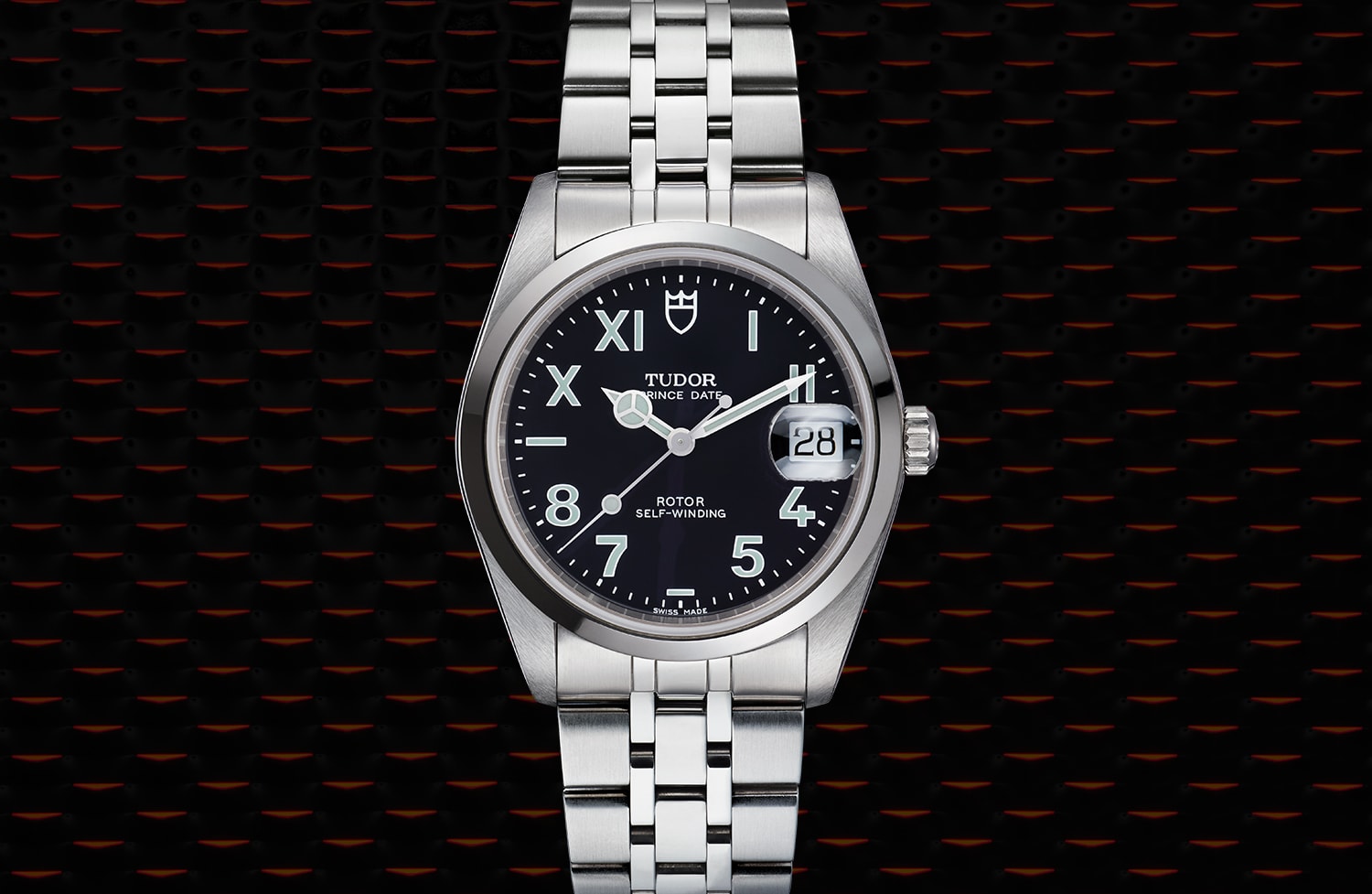
Despite the downturn, TUDOR continued to innovate, releasing the Hydro 1200, a reference boasting 1200 meters of water resistance. The brand also found its footing in China, with the watches becoming a fan favorite. The 2000s were a period of great change, with the rise of globalism shaping the way nations’ economies interacted with each other. The Swiss watch industry grew greatly during this time.
The Age of Social Media
Facebook and Instagram transformed the way we kept up with one another. We became more interconnected than ever before. At TUDOR, the Black Bay and the Pelagos were launched, pillars of the modern TUDOR brand. TUDOR dove into the past for inspiration and emerged with the now-iconic Black Bay line.
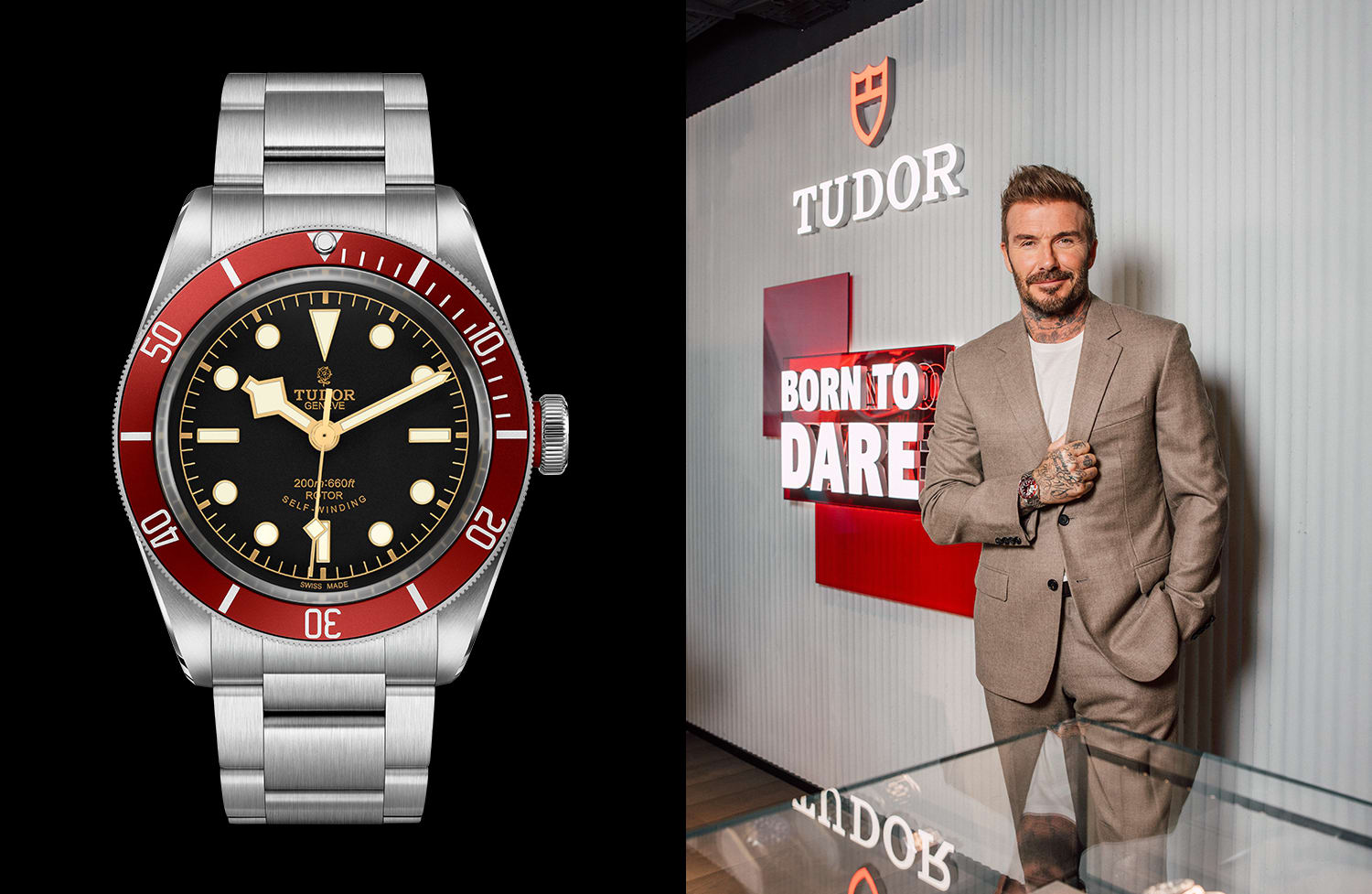
Alongside the Black Bay, TUDOR engineered the Pelagos, a dive watch that was forward-thinking in terms of materials and technology, but retained the tool watch ethos the brand had built a reputation on. These two models defined the growth of the brand in this period, and they were updated with manufacture calibers in 2015. Of course the news spread fastest on social media.
Watches Become Mainstream
Unprecedented times, best summarized in five capital letters: COVID, enveloped the entire globe, and with it came massive surge in interest in watches. No longer were watches a niche hobby, they’d gone mainstream.
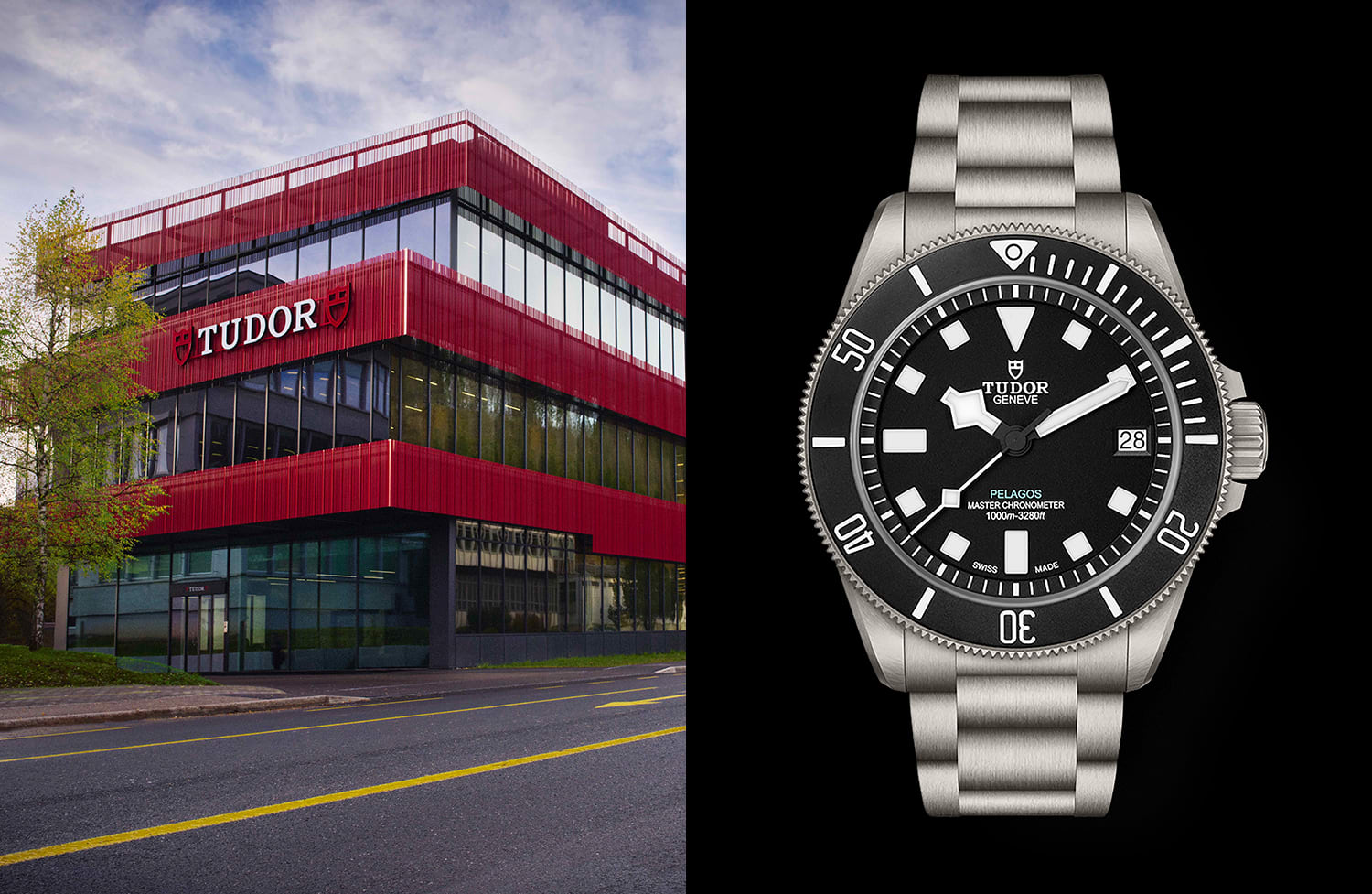
TUDOR inaugurated a manufacturing facility in Le Locle that was entirely its own in 2023, allowing for METAS certification and the perfect blend of human know-how and technological efficiency. AI finally became mainstream as well, transforming the way humans work and think. And the story is still being written in 2026, marking a century of TUDOR.